
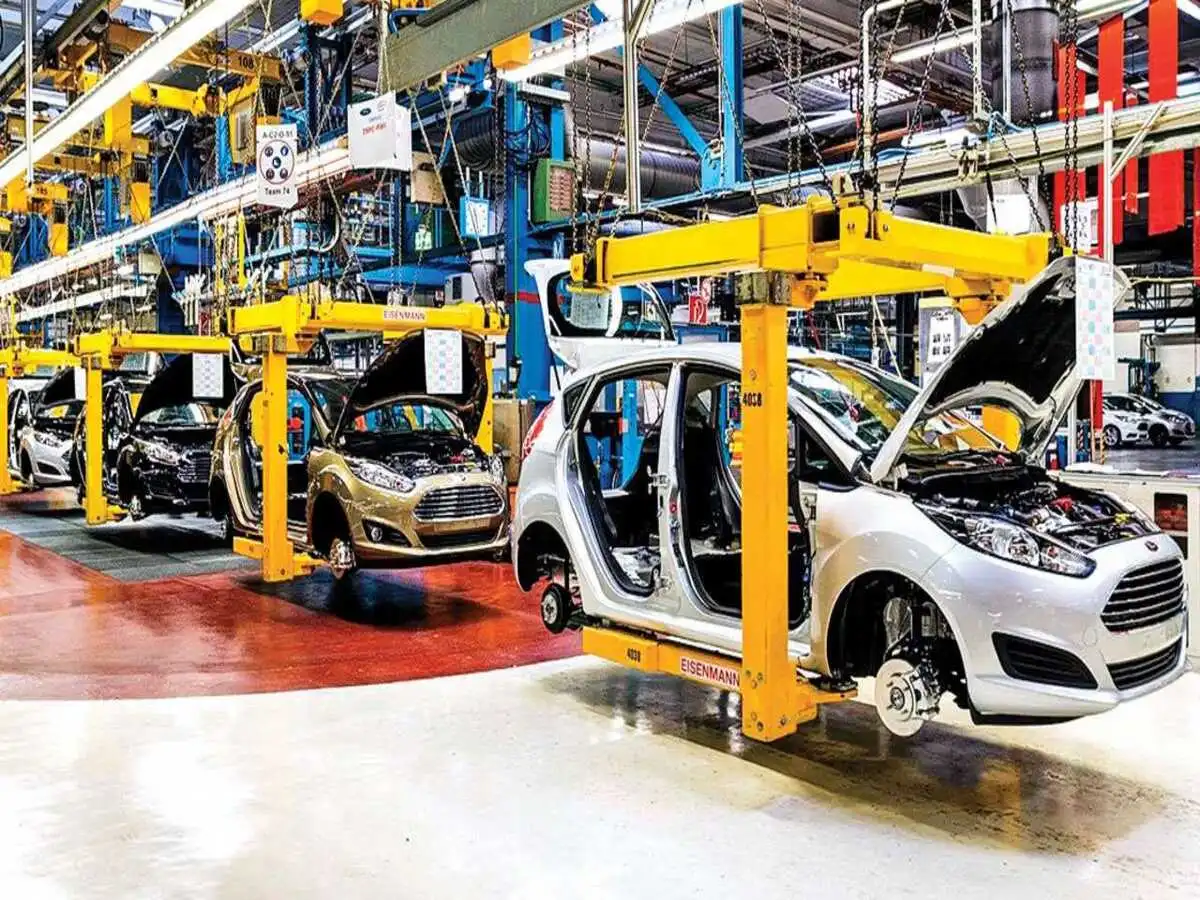
The auto industry sits at the crossroads of technology, design, and human need. What began as a simple solution for transportation has grown into a complex ecosystem driven by innovation, sustainability, and digital intelligence. Today’s automobiles are no longer just machines; they are connected platforms shaping how people move, live, and work.
A Brief Look at How Automobiles Have Changed
Early automobiles focused on one thing: replacing horse-drawn travel. Over time, priorities shifted toward comfort, safety, performance, and efficiency. Each decade introduced breakthroughs that redefined what drivers expect from their vehicles.
Key evolutionary milestones include:
-
Transition from mechanical systems to computer-controlled engines
-
Introduction of automatic transmissions
-
Integration of advanced safety technologies
-
Rise of electric and hybrid powertrains
These changes didn’t just improve vehicles; they reshaped cities, economies, and lifestyles.
Modern Automotive Technology Explained
Today’s vehicles rely heavily on software and sensors. Even entry-level models now include features once reserved for luxury cars.
Smart and Connected Features
Modern autos commonly offer:
-
Infotainment systems with smartphone integration
-
Real-time navigation and traffic updates
-
Over-the-air software updates
-
Voice-assisted controls
These technologies enhance convenience while reducing driver distraction.
Advanced Safety Systems
Safety innovation has become a defining factor in vehicle design. Common systems include:
-
Automatic emergency braking
-
Lane-keeping assistance
-
Blind-spot monitoring
-
Adaptive cruise control
Such features significantly reduce accident risk and improve road confidence.
The Shift Toward Electric and Hybrid Vehicles
Environmental concerns and fuel efficiency demands have accelerated the adoption of electric and hybrid autos. Governments and manufacturers alike are investing heavily in cleaner mobility solutions.
Benefits driving this shift:
-
Lower emissions and reduced environmental impact
-
Decreased dependence on fossil fuels
-
Lower long-term operating costs
-
Quieter and smoother driving experience
Battery technology continues to advance, addressing earlier concerns around range and charging time.
Design Trends Shaping Today’s Cars
Automotive design now balances aesthetics with function. Manufacturers emphasize aerodynamics, lightweight materials, and interior comfort.
Notable trends include:
-
Sleeker exterior profiles for efficiency
-
Minimalist dashboards with digital displays
-
Use of sustainable interior materials
-
Enhanced cabin space through smarter layouts
Design is no longer just about looks; it’s about efficiency and user experience.
What the Future of Autos Looks Like
The next chapter of the auto industry is already unfolding. Innovation is moving faster than ever, driven by artificial intelligence and automation.
Expected developments include:
-
Autonomous driving capabilities
-
Fully connected vehicle ecosystems
-
Greater use of renewable materials
-
Expansion of shared mobility solutions
As vehicles become smarter, the definition of “driving” itself may change.
Frequently Asked Questions
1. What does the term “auto industry” include?
It encompasses vehicle manufacturing, parts suppliers, technology developers, dealerships, and after-sales services.
2. Are electric vehicles more expensive to maintain?
Generally, no. They have fewer moving parts, which often results in lower maintenance costs over time.
3. How do modern cars improve fuel efficiency?
Through lightweight materials, aerodynamic designs, advanced engines, and intelligent driving systems.
4. What is the role of software in modern automobiles?
Software controls everything from engine performance and safety systems to infotainment and navigation.
5. Are autonomous vehicles already available?
Partial automation features exist today, but fully autonomous vehicles are still under development and testing.
6. How does automotive innovation impact the environment?
Innovations like electric drivetrains and sustainable materials help reduce emissions and resource consumption.
7. Will traditional fuel-powered cars disappear soon?
They will likely coexist with electric vehicles for years, though their market share is gradually declining.
