
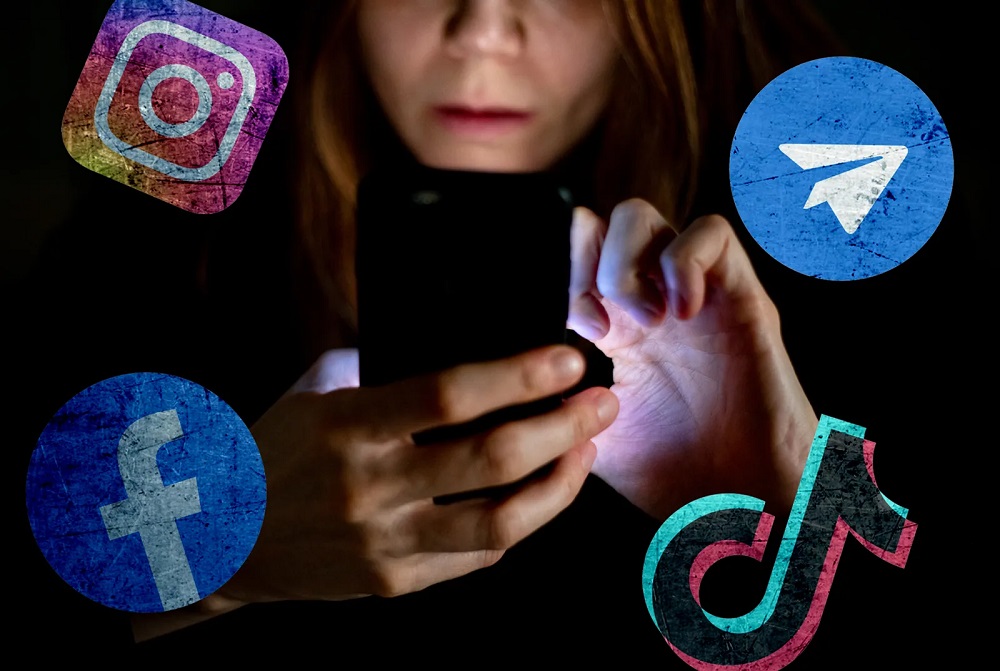
Introduction to Social Media
Social media has transformed how people communicate, share information, and build relationships. What began as simple online interaction has evolved into a global ecosystem influencing culture, business, politics, and personal identity. Today, it shapes opinions, trends, and even real-world decisions at an unprecedented scale.
What Is Social Media?
Social media refers to digital platforms and applications that allow users to create, share, and interact with content in real time. Unlike traditional media, it is driven by user participation rather than one-way broadcasting.
Key characteristics include:
-
User-generated content such as posts, videos, and comments
-
Instant interaction through likes, shares, and messaging
-
Community building around shared interests or values
Evolution of Social Media
Social media has gone through several stages of development, each reshaping how people connect online.
Early Phase
-
Text-based forums and basic profiles
-
Limited multimedia and slow interaction
Growth Phase
-
Visual content like photos and short videos
-
Mobile access enabling constant connectivity
Modern Era
-
Algorithm-driven feeds
-
Live streaming, short-form video, and immersive formats
-
Integration with commerce, education, and entertainment
How Social Media Impacts Society
Social media’s influence reaches far beyond casual communication. It affects how people think, behave, and relate to one another.
Positive Social Impact
-
Global connectivity that bridges geographical gaps
-
Awareness and activism around social and environmental issues
-
Educational access through shared knowledge and expertise
Challenges and Concerns
-
Spread of misinformation and unverified content
-
Mental health pressures, including comparison and anxiety
-
Reduced attention spans due to constant content consumption
Role of Social Media in Business and Marketing
For businesses, social media has become an essential tool rather than an optional channel.
Benefits for organizations include:
-
Direct communication with customers
-
Brand visibility at a lower cost than traditional advertising
-
Data insights based on user behavior and engagement
Successful brands focus on authenticity, consistent messaging, and meaningful interaction rather than aggressive promotion.
Personal Branding and Social Media
Individuals increasingly use social media to shape their personal brand. Professionals, creators, and entrepreneurs rely on digital presence to showcase expertise and build credibility.
Effective personal branding involves:
-
Clear messaging and niche focus
-
Consistent tone and visual identity
-
Genuine engagement rather than inflated metrics
Privacy, Ethics, and Responsibility
As social media grows, questions around data privacy and ethical use become more critical.
Key issues include:
-
Collection and use of personal data
-
Transparency in content moderation
-
Responsibility of users to share information thoughtfully
A balanced approach requires both platform accountability and informed user behavior.
The Future of Social Media
The future of social media points toward deeper integration with daily life.
Emerging trends include:
-
Artificial intelligence-driven personalization
-
Virtual and augmented experiences
-
Increased emphasis on private communities over public feeds
Rather than replacing human connection, social media is likely to continue reshaping how it is expressed digitally.
Frequently Asked Questions (FAQ)
What makes social media different from traditional media?
Social media is interactive and user-driven, allowing two-way communication instead of one-way broadcasting.
Can social media be beneficial for mental health?
When used mindfully, it can foster connection and support, but excessive or unhealthy use may have negative effects.
How often should individuals use social media?
There is no fixed rule, but balanced usage that does not interfere with daily life is generally recommended.
Is social media necessary for small businesses?
While not mandatory, it provides cost-effective visibility and direct customer engagement that can significantly help growth.
How can users protect their privacy on social media?
By managing privacy settings, limiting shared personal information, and being cautious with third-party applications.
Does social media influence real-world behavior?
Yes, it can shape opinions, purchasing decisions, and social movements through rapid information sharing.
Will social media continue to grow in the future?
Growth is expected to continue, though the form and focus of platforms may change with new technologies and user preferences.
